A Reply to Love
from the foot of the cross
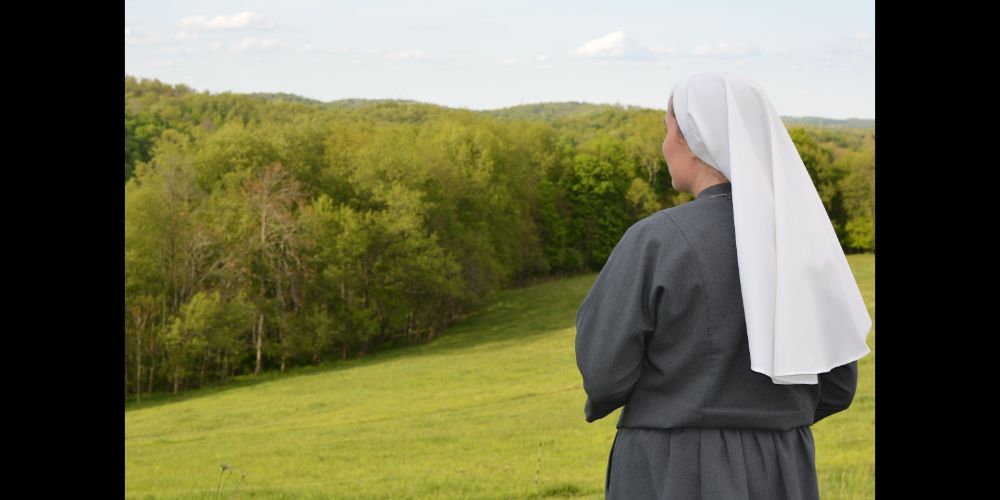
The world is rife with life, brimming with beauty.
Winter, with its bleak and blunt reminders of death,
grips on and on,
groans with its last grating cry,
as it dies, dies, dies.
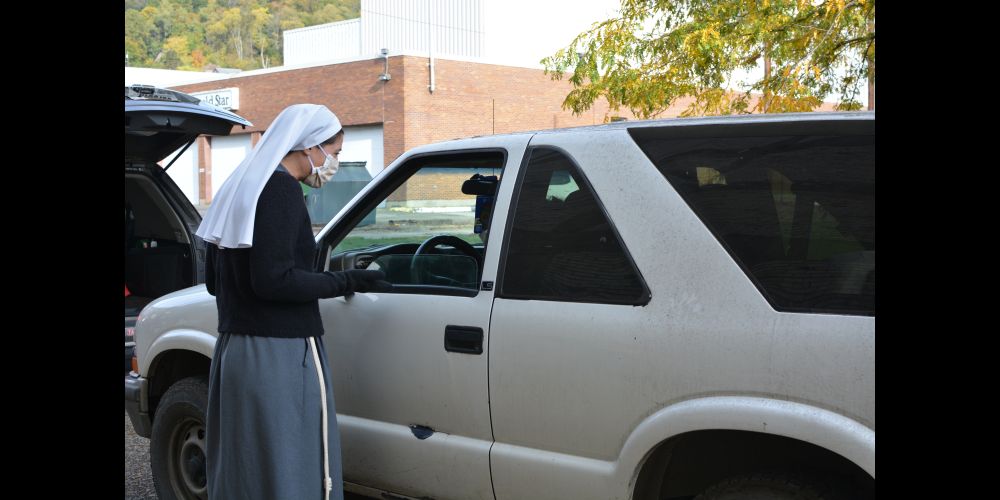
One of our current ministries in downtown Steubenville is “working the line” during food distribution at the Mission. Due to COVID, grocery items are being given to clients by means of a “drive through” system, which means that you have a “captive congregation” consisting of those people waiting in their cars for food. We go weekly during the peak hours to speak and pray with people and play some praise music, too.
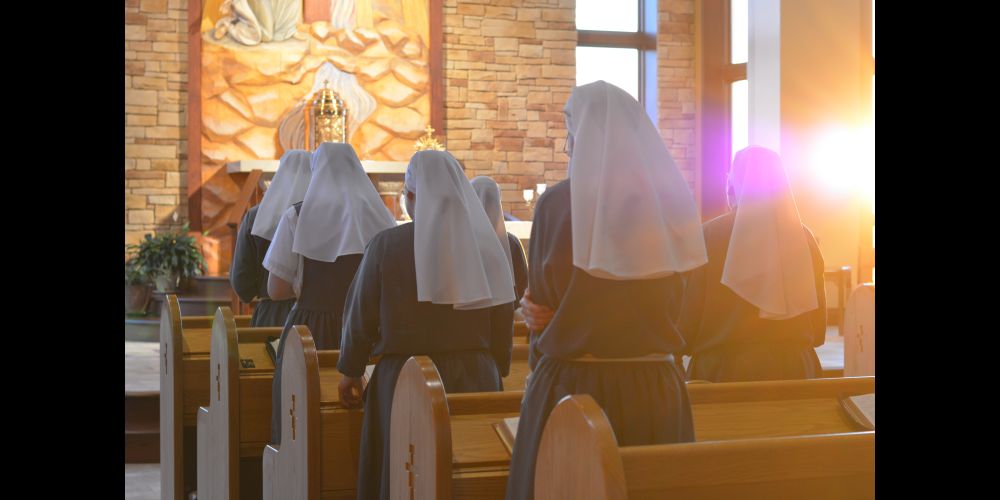
“Awake O Sleeper, and arise from the dead, and Christ shall give you light” (Ephesians 5:14). For Catholics, Easter is not just one day, but a season of new life. How can we wake up to the reality that the battle is already won? The Lord has resurrected and we are truly an Easter people, but if we don’t ‘wake up’ or realize the truth, we can’t truly live in the light of Christ. What are practical ways to live into the resurrection and open our eyes to the truth that Christ is risen from the dead. What does it mean to live our lives as if we are resurrected people? We are told to ‘arise from the dead’ but how should we do this?
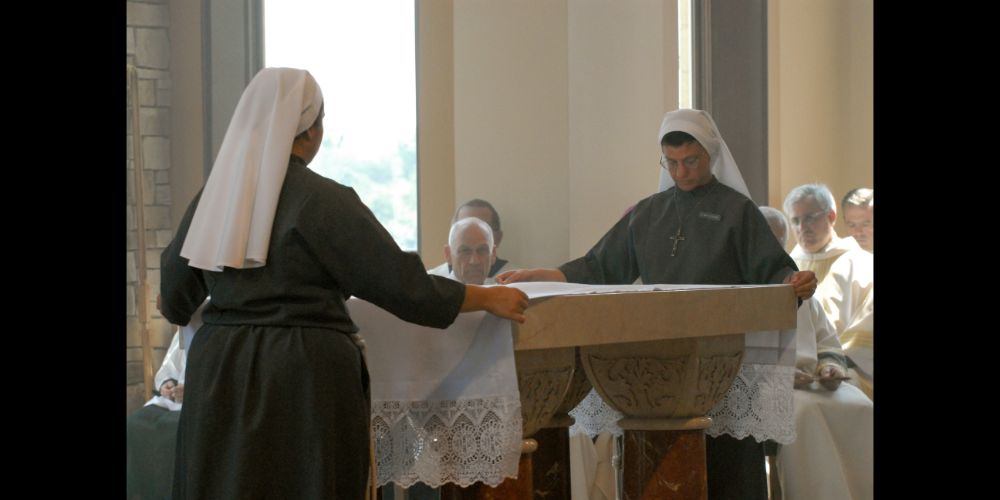
A number of years ago at the Easter vigil at Franciscan University of Steubenville, when the Gloria was being sung, amidst the ringing of bells, joyful voices, and flowers being brought up the aisles, I was deeply moved as two of the altar servers with big smiles brought forth the fresh white altar linens that had been prepared for the celebration. Holding onto each of the corners, they placed it reverently and carefully upon the bare altar. There was a spirit of joyful anticipation that seemed to be almost tangible, not only in their faces but also as if dripping in the air.
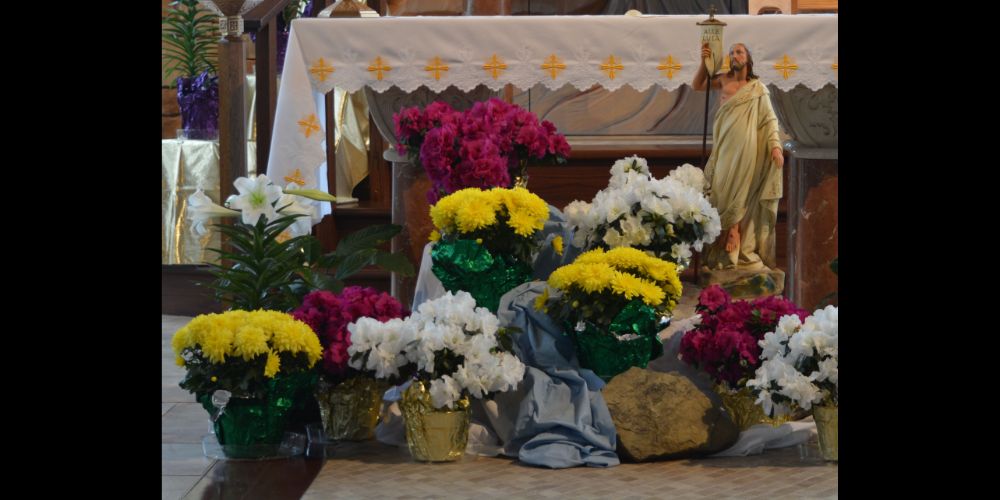
One Easter Sunday, Sr. Eliana and her sisters were making their thanksgivings after Mass, when they were surprised by a request from one of the Mass attendees. He had a guest visiting for the weekend who really needed to talk—could the sisters pray with her? What happened next was an extraordinary Easter grace.
Waiting. I’m sure we’ve all experienced it. As a matter of fact, we experience it so much every day that we don’t even think about it: waiting at a traffic light; waiting at the grocery checkout; waiting for medical test results; waiting for a son to come home from deployment in Afghanistan; waiting for the results of a quiz; waiting for the game to start; waiting for the water to boil; waiting for the hubby to come home from work; waiting for the birth of a child—the list goes on and on. Such a thing, so integral a part of our lives and so seemingly mundane at times, is often reflected upon so little. Yet it is so significant.
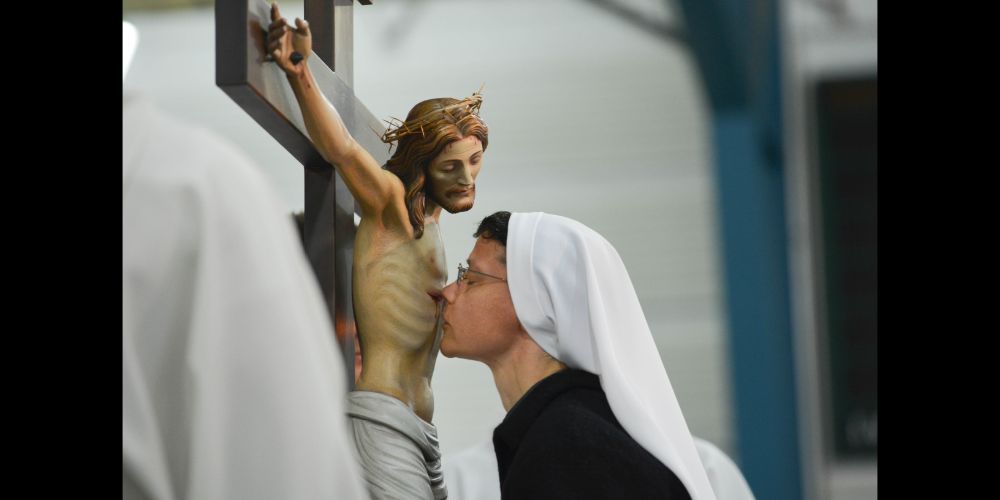
When I was very young, I thought the title “Our Lady of Sorrows” sounded sad and morbid. One year during Lent when I was in college, someone gave me a copy of the prose version of the “Stabat Mater,” which is the hymn that is often sung in three-line stanzas when we pray the Stations of the Cross. I was struck deeply by the prose, which is a much closer translation of the Latin prayer. As I prayed and pondered it, I began to see the Passion of Jesus through Mary’s eyes.
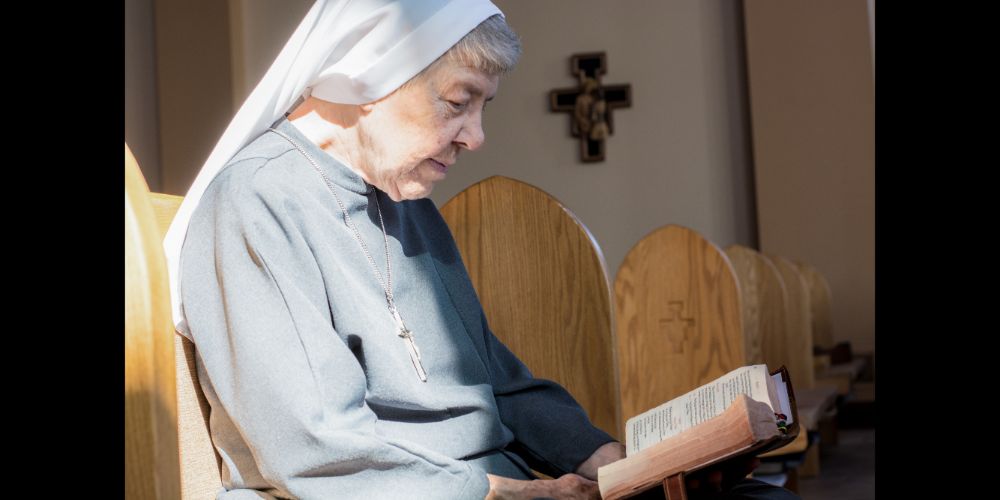
My twin and I, the first children to be born of my parents, were named after my father “John” – I was named Mary “Jean” and my sister Mary “Joan”. Being given the name Jean set the stage for what later would develop into an intimate relationship with Jesus and the apostle who was the closest to His Heart – John the Beloved.
