What is the first thought that comes to your mind when you hear the word “fasting”? I do not know about you, but for me, I immediately think “It’s hard."
I do not believe I am alone in this thought. However, as the saying goes, “Anything worthwhile has a cost.” Do we really believe fasting is worthwhile? Do we believe fasting is worthwhile enough that we are willing to pay the cost of doing it?
Fasting is mentioned 50 times in Scripture. Kings, queens, and prophets of the Old Testament would call the people to fast during difficult times (Jonah 3:7; Esther 4:16). Fasting is even mentioned in the Psalms (Ps 35:13; Ps 109:24). Jesus, in Matthew 9: 15-16, declared to John’s disciples that “as long as the bridegroom is present, the wedding guests do not fast.” He alludes to the fact that when he is no longer physically present his disciples will then fast. In Mark 9:29, Jesus explains to his disciples why they were not able to deliver a man from demonic possession. He says that certain demons can only be expelled through prayer and fasting. What an insight to the power of fasting!
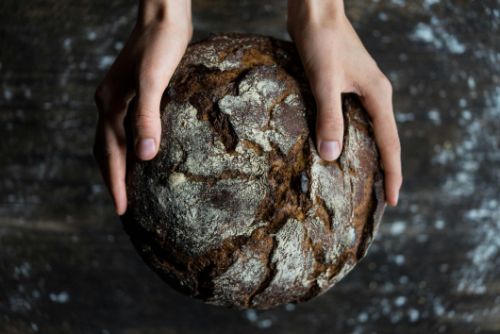
Fasting is very much a part of the tradition of the Church. The early Church introduced two fast days a week, Wednesday and Friday. By the third century, the Church began the forty-day fasting period of Lent in preparation for Easter. Over the centuries the lay faithful, religious, and priests have fasted on bread and water. What attracted people to such discipline? What could be the benefits of it for us?
There are several fruits that can come from fasting. First, fasting is a call to conversion directed to our bodies. It is a simple means that empowers a person to strengthen his self-control. It is also a process by which we can become free of material things. As we become free from external goods, we become more detached from passions within us that keep our interior lives in bondage. Prayer requires our whole person. In Deuteronomy 6:5, it says we are to love the Lord, our God with our whole heart, mind, soul, and strength. In other words, we are to love God with our entire person, including our bodies. As Fr. Slavko Barbaric states, fasting is a prayer through our bodies. Fasting shows that our bodies participate in our prayer and that prayer must become incarnate in order to be prayer in the fullest sense.
Fasting enables us to put life into proper perspective and fosters purity of heart. When we experience the physical emptiness brought on by fasting we become more aware of our own spiritual emptiness. We also realize the blessings we have been given (food to eat, clean water to drink, etc.) and we become more compassionate of others. We see our dependence on God and move from a spirit of self-sufficiency and ingratitude to one of humility and thankfulness.
Yes, with everything that is worthwhile there is a cost. However, we must not forget God always gives the grace we need for each circumstance and task. Fasting can bring us innumerable riches, far more than we can imagine. May we have the courage to take the risk and discover its hidden treasures.
- Sr. Mary Ann Kessler, T.O.R.
